If you have ever worked on a product, you know how quickly things can break behind the scenes.
A customer reports a problem.
Support creates a short and unclear ticket.
Salespeople have no clear idea about the customer’s problem.
Engineering tries to reproduce it.
Frontend says it is a backend issue.
Backend says it is a frontend issue.
Chat channels fill up with messages.
Everyone is busy, but no one truly understands the problem.
I lived in this cycle for years.
Over time, I realized something important.
The problem was not the customer. It was not even the product. The real problem was how the team worked together.
When a team lacks clarity, shared understanding, and energy, nothing works well. Even the best system design cannot save a tired and confused team. Tired people create tired products.
That realization changed howI think about building and fixing software. These are five lessons I wish I had learned much earlier.
1. Context matters more than opinions
Most engineering problems come from one simple issue: people do not know what actually happened.
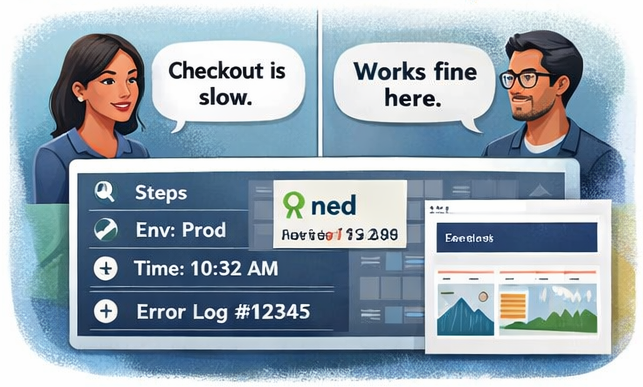
Support writes: “Checkout is slow.”
Engineering replies: “Works fine on my machine.”
Both sides may be right, but neither has the full picture.
Things improved when we started collecting full context once and sharing it everywhere.
A good issue report should include:
clear steps to reproduce
environment details
time when it happened
screenshots or recordings
request or trace IDs
This alone removed hours of back and forth. It also reduced tension between teams.
When people see the same facts, blame disappears. Clear information reduces stress.
2. Watching beats talking
Many meetings exist only because someone is missing context.
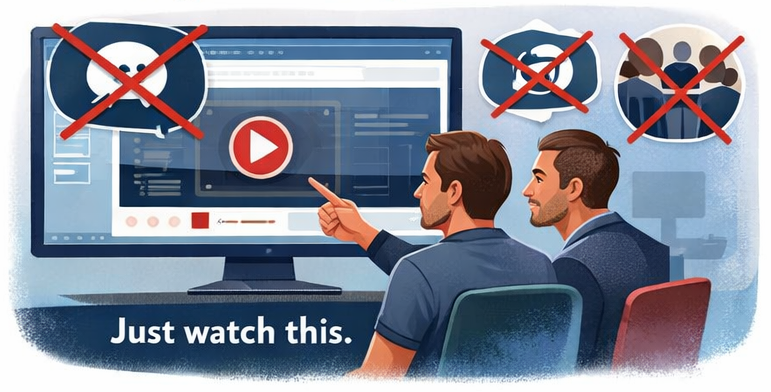
“Let’s jump on a call” often means “I do not fully understand the issue.”
A short replay can replace a long meeting.
No guessing. No explaining. No debates.
Just watch what happened and fix it.
Removing unnecessary meetings protects something very important: team energy. Less talking means more time to actually solve problems.
3. Too many tasks at a time breaks focus
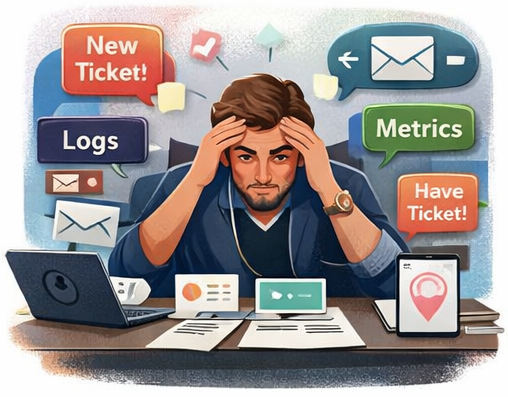
A developer may be deeply focused on building a feature, and suddenly, a support ticket arrives, or someone messages, or he may receive a call in the team channel.
Focus breaks instantly. Getting back into the feature takes time and energy.
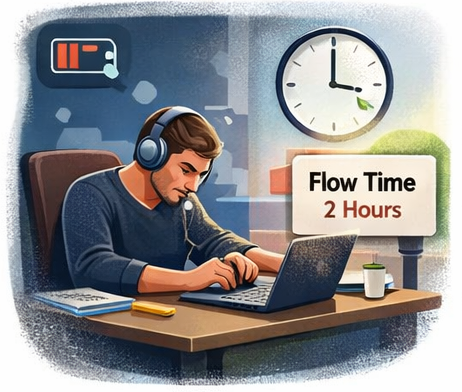
Make your team’s software profile in DND mode when you are working on a task that needs your 200% focus.
If a support ticket is truly urgent, then it should be handled immediately. But if it is not critical, it should wait for a fixed support window.
This simple rule protects focus:
Urgent issues get immediate attention
Non-urgent issues are handled at a scheduled time
You are not ignoring the client support. You are aligning work with intent.
Each task should have one clear workspace and one clear time. One place and one flow, from user action to database change.
When teams stop jumping between tools and stop reacting to every interruption, clarity returns. And with clarity, real problem-solving begins.
4. Team energy is a real limit
Product Startups measure servers and performance closely. But they often ignore the most important resource: people.
Burned-out engineers write weaker code. They fix bugs more slowly. Communication suffers. Customers feel it.
We started treating energy like a system limit, just like memory or CPU. One small change made a big difference: focus blocks.
Each engineer got protected time every day:
no meetings
no Cliq
no personal chat/ call
no interruptions
Even one focused block daily improved code quality, speed, and morale. Protecting attention protects creativity and calm.
Happy teams are not accidental. They are designed.
5. Shared context solves problems faster
Teams slow down when they work in silos.
Support sees one thing. Frontend sees another. Backend sees something else. QA tests a different version entirely.
Everyone is smart. Everyone is trying. No doubt. But no one is solving the same problem.
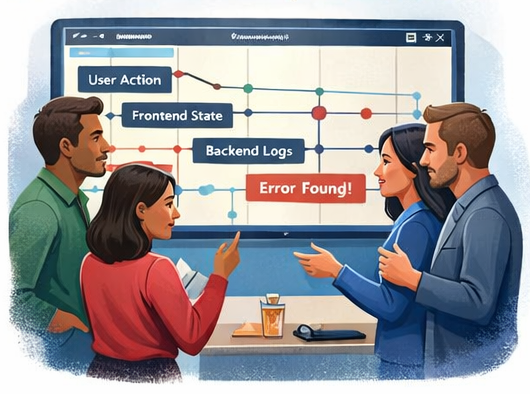
Everything changed when everyone worked from one shared source of truth.
One replay. One timeline. One explanation.
When reality is shared, arguments disappear. Ownership replaces defensiveness. Problems get solved faster.
Shared context creates shared responsibility. That is a powerful multiplier.
My Takeaways
The longer I work in software, the clearer one thing becomes: Great products are not built by brute force.
You can work longer hours, schedule more meetings, and add more people, but without clarity, focus, and energy, progress eventually slows to a crawl.
Most failures were not about talent. They came from teams trying to build in environments that worked against them.
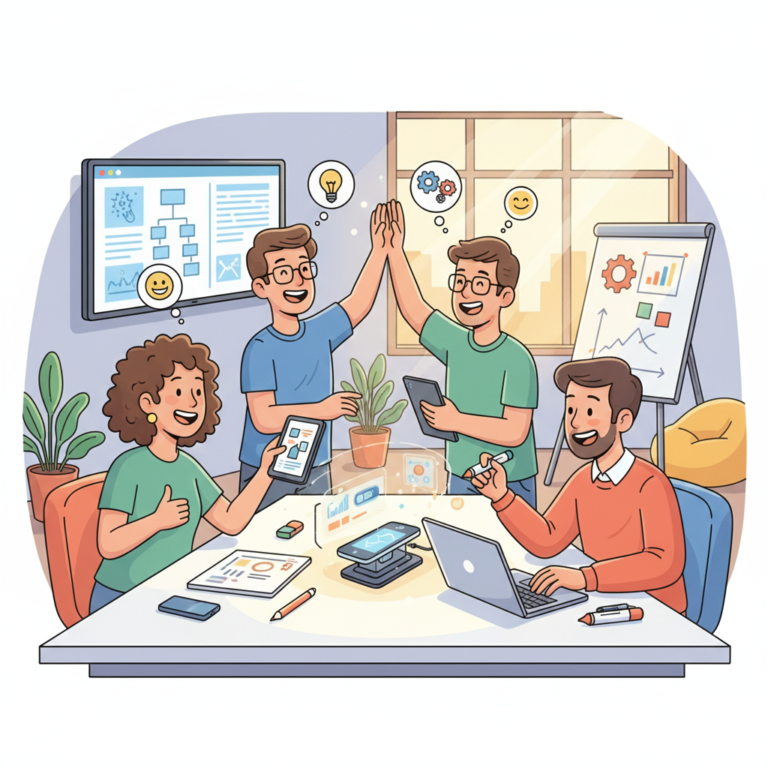
When the environment supports the team instead of fighting them, everything improves. Product quality rises. Delivery becomes faster. Customer outcomes get better.
Happy teams build better products. Better products create happier customers.
This does not come from pushing harder. It comes from designing systems, including tools and workflows, that help people do their best work.